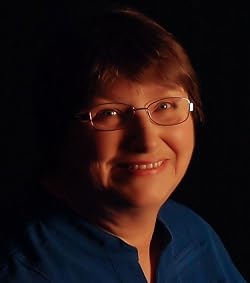
Coming Monday, stop by Christian Teacher Public School for a mother/daughter interview I'll be doing with my mom, inspirational author Susan Page Davis. You can enter to win a copy of her new book River Rest, available now from Tea Tin Press. Winner chooses paperback or ebook format.
Susan's books have won several awards including the Carol Award for her novel The Prisoners Wife; the Inspirational Readers' Choice Award for The Prisoner's Wife and The Lumberjack's Lady (Maine Brides series); and the 2012 Will Rogers Medallion Award for her novel Captive Trail (Texas Trails series). Visit her website at www.susanpagedavis.com or follow her @SusanPageDavis.
". . .the word of God is not bound." II Tim. 2:9b
Friday, June 17, 2016
River Rest, Inspirational Fiction for a Teacher's Heart
Inspirational fiction author Susan Page Davis (my mother) has written over sixty books, but her newest, River Rest, is close to her heart. The story was inspired by the antique diary of a young woman in rural Maine.
"Unable to depend on her father to heal the crumbling family, Judith is afraid to trust the mysterious neighbor, Ben, who lives with his own grief.
"In rural Maine in 1918, Judith Chadbourne gives up her teaching job after her mother’s death to help her father with her five siblings. But when her father sinks into deep depression and her brother Joel is drafted, the household chores and farm work may overwhelm her. Neighbor Ben Thayer offers to buy their farm, shocking Judith and angering her father. An outsider from New York, Ben seems rich and mysterious, but his heart aches from his own loss. Judith accidentally breaks the antique crystal Christmas ornament her mother loved. The splintering star echoes her family’s shattering. Ben’s efforts to help make Judith suspicious, but when Joel falls critically ill at the army camp, Ben’s aid brings the beginnings of trust. After the armistice, the community and family start to recover from the strain of the war, but Judith learns independence is lonely. When Ben is injured, she is the only one who can help him. Can love take her beyond the frozen Maine winter?"
Available now in print or Kindle from Tea Tin Press.
Find Susan's other books here, or stop by her Web site to enter to win free books.
"Unable to depend on her father to heal the crumbling family, Judith is afraid to trust the mysterious neighbor, Ben, who lives with his own grief.
"In rural Maine in 1918, Judith Chadbourne gives up her teaching job after her mother’s death to help her father with her five siblings. But when her father sinks into deep depression and her brother Joel is drafted, the household chores and farm work may overwhelm her. Neighbor Ben Thayer offers to buy their farm, shocking Judith and angering her father. An outsider from New York, Ben seems rich and mysterious, but his heart aches from his own loss. Judith accidentally breaks the antique crystal Christmas ornament her mother loved. The splintering star echoes her family’s shattering. Ben’s efforts to help make Judith suspicious, but when Joel falls critically ill at the army camp, Ben’s aid brings the beginnings of trust. After the armistice, the community and family start to recover from the strain of the war, but Judith learns independence is lonely. When Ben is injured, she is the only one who can help him. Can love take her beyond the frozen Maine winter?"
Available now in print or Kindle from Tea Tin Press.
Find Susan's other books here, or stop by her Web site to enter to win free books.
Thursday, June 2, 2016
Mindfulness Rising
There's a liberal-approved alternative to school prayer on the rise in public schools. It's called by several different names, including "meditation" and "mindfulness." Studies cite benefits such as fewer absences and suspensions and improved health, attention, and test scores. Mindfulness programs such as San Francisco-based Headstand may have students practice yoga, concentrate on their breathing, and focus on character-building concepts such as kindness to others in order to fight toxic stress. The practices of yoga and transcendental meditation have their roots in Eastern religion, though a San Diego judge ruled in 2013 that yoga as taught in Encinatis schools was not religious.
Parents with concerns about mindfulness programs are characterized by proponents in extreme, often inaccurate ways. For example, the chief executive of Jois Yoga Corp. in Encinatis, Eugene Ruffin, said in an interview with the LA Times, "It's hard to know how to respond to someone who says if you touch your toes, you're inviting the devil into your soul."
But then, people who are not Christians often don't know how to respond to Christian viewpoints, period. We don't read the same books. We don't buy the same clothes. We don't speak the same language. For me as a Christian mother to be opposed to my son's being required to do yoga and transcendental meditation in school makes no sense to non-Christians. Neither does my belief that he ought to be able to read his Bible, meditate on God's goodness, and pray in school (which, within certain limits, he can). Christian meditation somehow violates everyone's free speech, but Eastern meditation is neutral and, increasingly, part of the curriculum.
Meditation is the part of Christian practice that is most expressly not allowed to be taught in public schools. You can use Bible passages to teach literature and culture and all manner of things, but you absolutely cannot urge students to meditate on those passages. How, then, is it any more acceptable to teach transcendental "mindfulness" in public schools?
What does the Bible say about meditation? For starters, it's always focused on something specific. The Word of God. Things that are true, honorable, right, pure, lovely, of good report. God's loving kindness. Beyond that, it does bring benefits to the practitioner, as explored in detail in Psalm 119.
What about the characterization that we fear we'll be inviting the devil into our soul? Ephesians 4:27 says, "Neither give place to the devil" (KJV). So in a sense, yes. It's there.
I know Christians who practice yoga. There's even a ministry called Holy Yoga, whose mission statement reads as follows:
"Holy Yoga is an experiential worship created to deepen people's connection to Christ. Our sole purpose is to facilitate a Christ honoring experience that offers an opportunity to believers and non-believers alike to authentically connect to God through His Word, worship, and wellness. Holy Yoga exists to carry the gospel to the ends of the earth through the modality of yoga."
How should the Christian respond? I am of this mind:
"John answered and said, 'Master, we saw someone casting out demons in Your name; and we tried to prevent him because he does not follow along with us.' But Jesus said to him, 'Do not hinder him; for he who is not against you is for you.'" (Luke 9:49-50 NASB)
But Holy Yoga isn't going to find a place in public schools anytime soon. It's. . .religious in nature. I say, so is all transcendental meditation. It's focused on one message or on another.
So where does all of this leave me as a Christian parent? Could my child remain in his public school yoga session and meditate on the Bible verse we're learning as a family this week? It might benefit him in all the ways the studies claim. He could stand to take a moment to chill at school.
Sure. He could even chant the verse out loud as a mantra (Note: legal counsel I am not). The teacher couldn't require all kids to do that. That would infringe on their first amendment rights. I just hope the teacher's not asking him to chant a mantra from Buddhism. Because I don't count on the courts to side with me and my Christian son on religious freedom.
Your thoughts are welcome.
Parents with concerns about mindfulness programs are characterized by proponents in extreme, often inaccurate ways. For example, the chief executive of Jois Yoga Corp. in Encinatis, Eugene Ruffin, said in an interview with the LA Times, "It's hard to know how to respond to someone who says if you touch your toes, you're inviting the devil into your soul."
But then, people who are not Christians often don't know how to respond to Christian viewpoints, period. We don't read the same books. We don't buy the same clothes. We don't speak the same language. For me as a Christian mother to be opposed to my son's being required to do yoga and transcendental meditation in school makes no sense to non-Christians. Neither does my belief that he ought to be able to read his Bible, meditate on God's goodness, and pray in school (which, within certain limits, he can). Christian meditation somehow violates everyone's free speech, but Eastern meditation is neutral and, increasingly, part of the curriculum.
Meditation is the part of Christian practice that is most expressly not allowed to be taught in public schools. You can use Bible passages to teach literature and culture and all manner of things, but you absolutely cannot urge students to meditate on those passages. How, then, is it any more acceptable to teach transcendental "mindfulness" in public schools?
- It's tied to character ed. And the Bible isn't?
- It improves concentration, reduces stress, and boosts test scores. So does adding recess or "free play" time to the day.
- It's not religious. Except that it asks my child to clear his mind and then chant a mantra that probably isn't rooted in the Bible (that would invade others' free speech).
What does the Bible say about meditation? For starters, it's always focused on something specific. The Word of God. Things that are true, honorable, right, pure, lovely, of good report. God's loving kindness. Beyond that, it does bring benefits to the practitioner, as explored in detail in Psalm 119.
What about the characterization that we fear we'll be inviting the devil into our soul? Ephesians 4:27 says, "Neither give place to the devil" (KJV). So in a sense, yes. It's there.
I know Christians who practice yoga. There's even a ministry called Holy Yoga, whose mission statement reads as follows:
"Holy Yoga is an experiential worship created to deepen people's connection to Christ. Our sole purpose is to facilitate a Christ honoring experience that offers an opportunity to believers and non-believers alike to authentically connect to God through His Word, worship, and wellness. Holy Yoga exists to carry the gospel to the ends of the earth through the modality of yoga."
How should the Christian respond? I am of this mind:
"John answered and said, 'Master, we saw someone casting out demons in Your name; and we tried to prevent him because he does not follow along with us.' But Jesus said to him, 'Do not hinder him; for he who is not against you is for you.'" (Luke 9:49-50 NASB)
But Holy Yoga isn't going to find a place in public schools anytime soon. It's. . .religious in nature. I say, so is all transcendental meditation. It's focused on one message or on another.
So where does all of this leave me as a Christian parent? Could my child remain in his public school yoga session and meditate on the Bible verse we're learning as a family this week? It might benefit him in all the ways the studies claim. He could stand to take a moment to chill at school.
Sure. He could even chant the verse out loud as a mantra (Note: legal counsel I am not). The teacher couldn't require all kids to do that. That would infringe on their first amendment rights. I just hope the teacher's not asking him to chant a mantra from Buddhism. Because I don't count on the courts to side with me and my Christian son on religious freedom.
Your thoughts are welcome.
God-Size Victory
![]() |
| The Shepherd David by Elizabeth Gardner |
In I Samuel 17:34-37, David declares to King Saul his worthiness to face the giant Goliath in battle:
But David said to Saul, “Your servant was tending his father’s sheep. When a lion or a bear came and took a lamb from the flock, I went out after him and attacked him, and rescued it from his mouth; and when he rose up against me, I seized him by his beard and struck him and killed him. “Your servant has killed both the lion and the bear; and this uncircumcised Philistine will be like one of them, since he has taunted the armies of the living God.” And David said, “The LORD who delivered me from the paw of the lion and from the paw of the bear, He will deliver me from the hand of this Philistine.” And Saul said to David, “Go, and may the LORD be with you.” (NASB)I am praying for another David today. I'm praying that potential third-party Presidential candidate David French will not regard the giant, but the past victories God has given into his hands. Education is just one reason America needs an articulate conservative President. This is not just about someone to vote for in good conscience in November. Our religious liberties are at stake. We need a God-size victory.
Subscribe to:
Posts (Atom)